Introduction
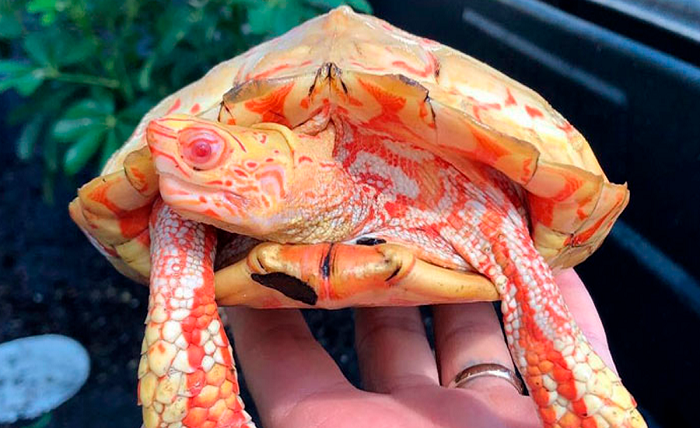
The albino turtle is one of the most fascinating and visually striking creatures in the reptile world. An albino turtle stands out due to its lack of pigmentation, giving it a pale, often yellowish or pinkish appearance along with red or light-colored eyes. Unlike typical turtles, an albino turtle lacks melanin, the pigment responsible for darker coloration in skin and shells. This rare condition makes every albino turtle a unique specimen that captures the curiosity of animal enthusiasts, researchers, and pet owners alike.
An albino turtle is not a separate species but rather a genetic variation that can occur in many types of turtles. Whether found in the wild or bred in captivity, an albino turtle often faces unique challenges due to its sensitivity to sunlight and potential vision issues. Understanding what makes an albino turtle special is key to appreciating its rarity and ensuring proper care if kept as a pet.
What Causes Albinism in an Albino Turtle?
An albino turtle develops its distinctive appearance due to a genetic mutation that prevents the production of melanin. This mutation affects the turtle’s skin, shell, and eyes, resulting in the characteristic pale look of an albino turtle. In simple terms, an albino turtle inherits two copies of a recessive gene—one from each parent—which leads to the absence of pigmentation.
The genetics behind an albino turtle are similar to those seen in other albino animals, including mammals and birds. However, because the mutation is rare, encountering an albino turtle in the wild is extremely uncommon. Breeders sometimes intentionally pair turtles carrying the albino gene to increase the chances of producing an albino turtle, though this requires careful genetic management.
It’s important to note that albinism in an albino turtle is different from leucism, another condition that causes pale coloration. While leucistic turtles may retain some pigmentation in their eyes, an albino turtle typically has red or pink eyes due to visible blood vessels.
Physical Characteristics of an Albino Turtle
The most obvious feature of an albino turtle is its unique coloration. An albino turtle often has a pale yellow, cream, or pinkish shell, sometimes with faint patterns that would normally be darker in a non-albino turtle. The skin of an albino turtle is similarly light, often appearing almost translucent in certain lighting conditions.
Another defining trait of an albino turtle is its eye color. Unlike typical turtles with dark eyes, an albino turtle has red or pink eyes because of the absence of pigment in the iris. This can sometimes make an albino turtle more sensitive to light, affecting its behavior and habitat preferences.
Despite these visual differences, the overall anatomy of an albino turtle remains the same as that of its non-albino counterparts. The size, shape, and structure of an albino turtle depend on its species, meaning an albino turtle could be aquatic, semi-aquatic, or terrestrial depending on its origin.
Habitat and Natural Environment of an Albino Turtle
In the wild, an albino turtle faces significant challenges that affect its survival. Because an albino turtle lacks natural camouflage, it is more visible to predators. This makes it difficult for an albino turtle to thrive in natural environments where blending in is essential for survival.
An albino turtle is also more sensitive to sunlight due to the absence of melanin, which normally provides protection against ultraviolet (UV) radiation. As a result, an albino turtle may seek shaded areas more frequently or remain hidden during peak sunlight hours.
In captivity, providing the right habitat for an albino turtle is crucial. Owners must ensure that an albino turtle has access to UVB lighting for proper health while also offering shaded areas to prevent overexposure. Temperature regulation, water quality, and appropriate basking spots are all essential components of a suitable environment for an albino turtle.
Diet and Feeding Requirements of an Albino Turtle
The diet of an albino turtle is generally the same as that of its species. Whether herbivorous, omnivorous, or carnivorous, an albino turtle requires a balanced diet to maintain good health. For example, an aquatic albino turtle may eat leafy greens, aquatic plants, insects, and commercial turtle pellets.
However, caring for an albino turtle may involve paying extra attention to nutrition. Because an albino turtle can be more sensitive to environmental stress, providing high-quality food ensures stronger immunity and overall well-being. Calcium and vitamin supplements are often recommended for an albino turtle to support shell and bone health.
Feeding an albino turtle should be done consistently, with portion sizes appropriate for its age and size. Overfeeding or underfeeding an albino turtle can lead to health issues, so maintaining a balanced diet is essential.
Challenges and Health Concerns of an Albino Turtle
An albino turtle is more prone to certain health issues compared to non-albino turtles. One of the primary concerns for an albino turtle is sensitivity to light, which can lead to eye strain or discomfort. Providing proper lighting conditions is crucial for maintaining the health of an albino turtle.
Another challenge faced by an albino turtle is a potentially weaker immune system. While not always the case, some albino turtle individuals may be more susceptible to infections or stress-related illnesses. Regular veterinary check-ups can help ensure that an albino turtle remains healthy.
Shell health is also important for an albino turtle. Because the shell may be lighter and more delicate in appearance, it’s essential to monitor for signs of damage or disease. Clean living conditions and proper nutrition play a vital role in maintaining a healthy albino turtle.
Albino Turtle as a Pet: What You Should Know
Keeping an albino turtle as a pet can be a rewarding experience, but it comes with added responsibilities. An albino turtle requires a carefully controlled environment to compensate for its unique needs. This includes proper lighting, temperature regulation, and a well-maintained habitat.
An albino turtle may also require more attentive care than a typical turtle. Owners must monitor their albino turtle closely for signs of stress, illness, or discomfort. Providing hiding spots and minimizing exposure to harsh light can help an albino turtle feel more secure.
Before adopting an albino turtle, it’s important to research the specific species and its requirements. Not all albino turtle individuals are the same, and understanding their needs ensures a better quality of life for the pet.
Conservation and Rarity of the Albino Turtle
The albino turtle is considered rare, especially in the wild. Due to its genetic condition and survival challenges, spotting an albino turtle in its natural habitat is uncommon. This rarity makes the albino turtle a subject of interest for conservationists and researchers.
In captivity, selective breeding has made it possible to produce more albino turtle individuals. However, ethical considerations must be taken into account when breeding an albino turtle to ensure the health and well-being of the animals.
Protecting the natural habitats of turtles in general also benefits the albino turtle population. Conservation efforts aimed at preserving ecosystems help ensure that even rare variations like the albino turtle have a chance to exist.
Conclusion
The albino turtle is a remarkable example of nature’s diversity and genetic variation. With its unique appearance and specific care requirements, an albino turtle captures the attention of both scientists and animal lovers. While an albino turtle may face challenges in the wild, proper care in captivity can help it thrive.
Understanding the needs of an albino turtle—from its habitat and diet to its health concerns—is essential for anyone interested in these rare creatures. Whether observed in the wild or kept as a pet, the albino turtle remains a symbol of rarity and beauty in the animal kingdom.
FAQs
1. What is an albino turtle?
An albino turtle is a turtle that lacks melanin pigment, resulting in a pale body and red or pink eyes.
2. Are albino turtles rare?
Yes, an albino turtle is very rare in the wild due to genetic factors and survival challenges.
3. Can an albino turtle live normally?
An albino turtle can live a normal life with proper care, although it may require special attention to lighting and health.
4. What do albino turtles eat?
An albino turtle eats the same diet as its species, including plants, insects, or commercial turtle food.
5. Is it hard to care for an albino turtle?
Caring for an albino turtle can be slightly more demanding due to its sensitivity to light and environmental conditions.