
Mehndi art has been a timeless form of expression across Asia and the Middle East. Whether applied for weddings, festivals, or daily adornment, mehndi tells stories through its intricate lines and patterns.
Among its most celebrated forms are Arabic and Indian styles, both beautiful yet distinct in their symbolism, technique, and visual flow. You may explore some games, such as xxxtreme lightning roulette live, which possess the same visual flow through their dynamic patterns and vibrant design elements.
This article explores the key differences between Arabic and Indian mehndi, examining their origins, design elements, cultural meanings, and how each style still influences modern beauty and fashion today.
Origins and Cultural Roots
The roots of Indian mehndi trace back thousands of years, appearing in ancient Vedic traditions as a sign of celebration and purity. Brides used to decorate their hands and feet before major ceremonies to attract prosperity and ward off evil. Indian communities continue to view mehndi as an essential ritual that connects generations through heritage.
Arabic mehndi emerged in the Middle East and North Africa, with early records found in Persian and Bedouin cultures. Unlike the dense Indian patterns, Arabic designs focus on elegance through space and balance. The motifs are inspired by the region’s architecture, calligraphy, and desert flora, creating an artistic dialogue between simplicity and sophistication.
Design and Detailing
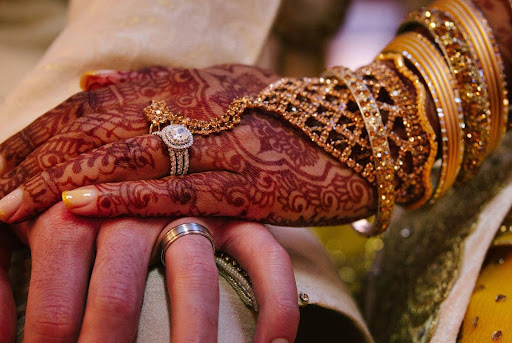
Indian mehndi is recognized for its elaborate and symmetrical designs that often cover the entire hand and foot. The density of the design symbolizes love, fertility, and joy, which are essential elements in Indian weddings.
In contrast, Arabic mehndi uses bold, flowing patterns that emphasize shape and movement over density. Large floral motifs and leafy trails extend diagonally across the hands, creating an airy, elegant effect. The open spaces within the design allow the skin tone to become part of the artwork, enhancing contrast and visual appeal.
Motifs and Symbolism
Indian mehndi designs are heavily symbolic. Common motifs include:
- Peacocks representing beauty and grace
- Paisleys symbolizing fertility and growth
- Bride and groom portraits reflecting unity and love
- Mandalas signifying spiritual harmony and completeness.
Each symbol carries meaning within Indian rituals, often customized for the bride’s personal story. Some designs even hide the groom’s initials within the pattern as part of playful wedding traditions.
Arabic mehndi symbolism is subtler. The designs focus on aesthetic flow rather than storytelling. Common motifs include:
- Vines and leaves expressing vitality and connection to nature
- Flowers signifying beauty and elegance
- Geometric shapes inspired by Islamic art.
The repetition of natural elements evokes balance and calm, reflecting the minimalistic spirit of Arabic design.
Application Techniques
Indian mehndi artists work with fine-tipped cones for intricate linework. The process requires patience, as the artist gradually fills each section with smaller shapes and details. The application can take several hours, especially for full bridal coverage.
Arabic mehndi artists, on the other hand, use thicker cones or brushes to create bolder outlines. The process is faster, as the designs are less dense and rely on broader strokes. The paste typically leaves an orange-brown stain, which complements lighter skin tones found across Middle Eastern regions.
Occasions and Modern Adaptations
In India, mehndi plays a central role in weddings, festivals like Karva Chauth and Diwali, and special family events. The designs are often matched to bridal jewelry, sarees, and rituals. A bride’s mehndi night is a celebrated pre-wedding event featuring music and family gatherings.
In Arabic cultures, mehndi is traditionally applied during Eid celebrations, engagements, and festive gatherings. Over time, it has also become part of daily beauty routines, with simpler designs used for casual wear. The elegance and speed of Arabic patterns make them popular among younger women seeking quick yet graceful adornment.
Today, fusion styles are growing in popularity. Many artists combine the bold outlines of Arabic mehndi with the intricate fillings of Indian design, creating hybrid patterns that appeal to modern tastes. These combinations maintain cultural authenticity while introducing new artistic possibilities.
The Beauty of Cultural Expression
Both Arabic and Indian mehndi express creativity through different philosophies. Each carries a distinct rhythm shaped by regional art, history, and emotion.
Appreciating both forms reveals how design can reflect identity, emotion, and spirituality across centuries. Whether one prefers the dense Indian detailing or the flowing Arabic elegance, mehndi remains an evolving art that connects tradition with personal expression in the modern world.