Introduction
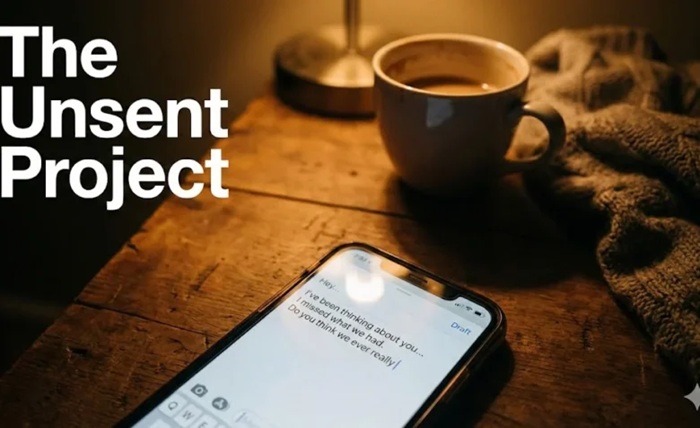
The unsent project is a global digital art initiative that collects anonymous messages people never sent to someone they once loved, lost, or left behind. At its core, the unsent project transforms private emotions into a shared human experience, reminding us that unsaid words often carry more weight than spoken ones. The unsent project resonates deeply because it captures raw feelings—regret, love, anger, hope—that exist beyond time, culture, and language. By inviting people to submit messages they never had the courage or chance to send, the unsent project creates a safe space for vulnerability, reflection, and emotional release.
The Unsent Project and Its Origins: How a Simple Idea Became Global
The unsent project began as a conceptual art experiment but quickly grew into a worldwide phenomenon. Created by artist Rora Blue, the unsent project originally asked one simple question: “What would you say to your first love?” This question unlocked millions of emotions, proving that the unsent project was more than art—it was a mirror of collective memory. As submissions poured in from different countries, cultures, and age groups, the unsent project evolved into a massive archive of human emotion, showing how deeply people connect through words they never sent.
The Unsent Project as Emotional Catharsis and Digital Therapy
The unsent project functions as an emotional outlet for many contributors, offering a sense of relief without confrontation. Writing an unsent message for the unsent project allows people to process grief, heartbreak, and unresolved feelings in a non-judgmental environment. For some, the unsent project feels like therapy, as it validates emotions that may have been buried for years. By sharing anonymously, participants in the unsent project find comfort in knowing they are not alone in their experiences, making the platform both personal and universal.
The Unsent Project and the Psychology Behind Unsent Messages
Psychologically, the unsent project taps into the human need for closure and expression. Many people carry emotional weight from words left unsaid, and the unsent project provides a symbolic release. Studies on expressive writing suggest that articulating emotions—even privately—can improve mental well-being, which explains why the unsent project feels so impactful. Through the unsent project, contributors externalize internal thoughts, transforming silent pain into visible text and allowing healing to begin.
The Unsent Project as Modern Art and Cultural Commentary
As a work of modern art, the unsent project blurs the line between creator and audience. Every submission becomes part of the artwork, making the unsent project a collaborative expression of humanity. It also serves as cultural commentary, reflecting how modern relationships, digital communication, and emotional distance shape our lives. The unsent project captures snapshots of love in the age of texting and social media, revealing how easily messages can remain unsent despite constant connectivity.
The Unsent Project and Its Impact on Social Media Communities
The unsent project gained massive popularity through social media platforms like Instagram and Tumblr, where people share screenshots of messages that feel eerily familiar. This viral nature helped the unsent project reach millions, turning private confessions into public moments of empathy. Online communities formed around the unsent project, where readers comment, relate, and reflect on their own unsent words. Through this digital sharing, the unsent project fosters connection among strangers bonded by shared emotional experiences.
The Unsent Project and Why It Resonates Across Generations
One reason the unsent project remains timeless is its universal relatability. Teenagers, adults, and older generations all find pieces of themselves within the unsent project. Love, regret, and longing are not bound by age, and the unsent project captures these feelings in their purest form. Whether it’s a message to a first love, a parent, or a lost friend, the unsent project transcends generational gaps, proving that human emotion remains constant even as the world changes.
The Unsent Project Conclusion: Why Unsent Words Still Matter
The unsent project reminds us that words do not need to be delivered to have meaning. By giving space to messages that were never sent, the unsent project honors emotional truth and human vulnerability. It shows that healing can begin simply by acknowledging what we feel, even if the recipient never reads the words. Ultimately, the unsent project stands as a powerful testament to the silent stories we all carry and the healing that comes from finally letting them be seen.
FAQs
1: What is the unsent project?
The unsent project is an anonymous digital art project that collects messages people never sent to someone meaningful in their lives.
2: Who created the unsent project?
The unsent project was created by artist Rora Blue as a way to explore love, loss, and unspoken emotions.
3: Why do people contribute to the unsent project?
People contribute to the unsent project to express unresolved feelings, find emotional release, and connect with others through shared experiences.
4: Is the unsent project considered art or therapy?
The unsent project is primarily an art project, but many people experience therapeutic benefits from participating in it.
5: Why is the unsent project so popular worldwide?
The unsent project is popular because its themes of love, regret, and vulnerability are universal and deeply relatable across cultures.